Elder Care in the house vs. Nursing Homes: Safety, Nutrition, and Quality of Life
@dominickynqt651
November 9, 2026 · 20 min read
Business Name: FootPrints Home Care
Address: 4811 Hardware Dr NE d1, Albuquerque, NM 87109
Phone: (505) 828-3918
FootPrints Home Care
FootPrints Home Care offers in-home senior care including assistance with activities of daily living, meal preparation and light housekeeping, companion care and more. We offer a no-charge in-home assessment to design care for the client to age in place. FootPrints offers senior home care in the greater Albuquerque region as well as the Santa Fe/Los Alamos area.
4811 Hardware Dr NE d1, Albuquerque, NM 87109
Business Hours
Families seldom sit down to compare care alternatives in the abstract. The conversation generally starts after a fall, a hospital stay, or a distressing phone call in the middle of the night. Someone says, "We can't keep going like this," and all of a sudden you are weighing elder care in your home against nursing home positioning, typically under pressure and with incomplete elder care information.
I have walked through this decision with many households, and the exact same three concerns turn up each time:
Is it safe?
Will my parent eat well? Will they still have a life that feels worth living?Those three lenses - safety, nutrition, and lifestyle - are much more practical than merely asking, "Home care or nursing home?" Once you actually comprehend how each setting operate in these areas, the best instructions normally becomes clearer.
What "Home Care" Really Means
The phrase "home care" sounds basic, however in practice it can vary from a couple of hours of aid weekly to 24-hour in-home care with a turning team.
In-home senior care generally focuses on non-medical assistance: bathing, dressing, light housekeeping, transportation, companionship, and in some cases fundamental health monitoring such as high blood pressure checks or tips for medications. Accredited nurses can be added through home health services when there are medical needs such as wound care, injections, or complex persistent conditions.
Good senior home care is developed around the individual's existing life. The caretaker enter their home, their kitchen area, their community routines. That is a powerful advantage for lots of older adults, especially those living with moderate to moderate dementia who feel anchored by familiar surroundings.
In practice, home look after parents frequently starts small. A child may bring in aid for showering two times a week due to the fact that she hesitates of her father slipping. Or a kid might employ an Albuquerque home care agency for evening supervision after Mom leaves the stove on one a lot of times. The essential point: home care can be scaled up or down, and changed as requirements alter, without rooting out the person.
What Nursing Homes Actually Provide
Nursing homes, or skilled nursing facilities, are medical organizations first and homes 2nd. That does not imply they are cold or disinterested by default, but their structure is driven by policy, staffing patterns, and scientific needs.
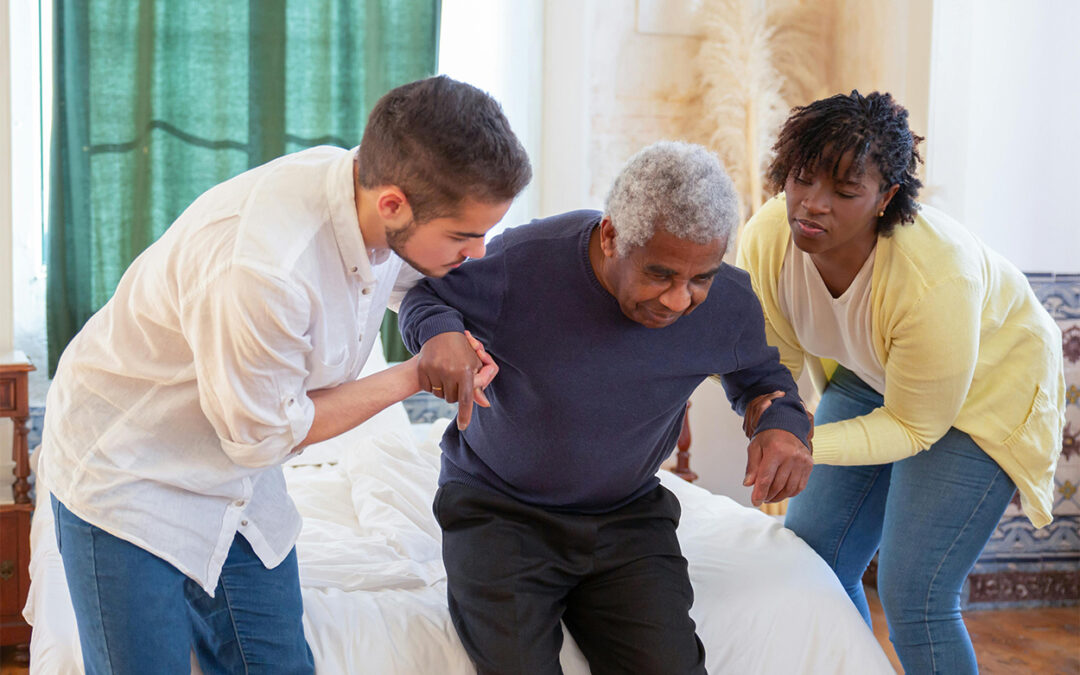
They normally use:
- 24-hour nursing supervision
- On-site or on-call doctors and therapists
- Medication administration and tracking
- Assistance with all activities of daily living for citizens who need it
In the very best facilities, you will see attentive personnel, consistent aides who understand locals well, and activities that exceed bingo. In weaker centers, you may see turning firm staff, long reaction times to call lights, and locals investing excessive of the day in bed or parked in front of a television.
Nursing homes can be the right alternative when someone needs extensive medical management or hands-on assistance almost around the clock. The trade-off is reduced privacy, less control over regimens, and an environment that needs to stabilize the safety of many locals at once.
Safety: The Most Emotional Part of the Decision
Safety is the pressure point that presses lots of families to think about change. A single fracture from a fall can alter the course of an older grownup's life.
The mistake I see often is thinking of safety as a binary. Families envision that staying home is unsafe, while nursing homes are safe by style. Truth is more nuanced. Both environments carry risks, they are merely different.
Safety in your home: Threats and Surprise Strengths
At home, the physical environment can normally be customized. Get bars, non-slip flooring, getting rid of clutter, enhancing lighting, and adding a shower chair or raised toilet can significantly minimize fall threat. Many homes can be brought much closer to the safety standards of assisted living with a couple of thousand dollars in modifications and the ideal planning.
The more challenging piece is guidance. If your father forgets his walker each time he goes to the restroom, is somebody there to remind him? If your mother with dementia opens the front door to "go to work," who notices?
Modern in-home care utilizes a combination of human existence and innovation. Families frequently combine part-time caregivers with door alarms, motion sensors, or medication dispensers that signal a family member or care organizer when dosages are missed out on. For some older adults, this hybrid method works extremely well. The person stays in the house, but no longer resides in an unmanaged environment.
I worked with a household in Albuquerque whose mother had moderate dementia and osteoporosis. She was determined to stay in the same house she had actually resided in for 40 years. We scheduled a caregiver to be there from 7 a.m. To 7 p.m., set up grab bars, eliminated throw rugs, and utilized a bed alarm during the night linked to her son's phone. In the very first six months, she had no falls and her stress and anxiety dropped since she felt "cared for" without being moved.
The restriction is expense and household capacity. 24-hour in-home care is extensive and, in lots of markets, more pricey than a nursing home. If somebody genuinely can not be left alone for any period, you are either looking at three shifts of caregivers or a committed family rotation. That is sustainable for some households and difficult for others.
Safety in Nursing Homes: Oversight with Trade-offs
On paper, nursing homes have the benefit: staff are available throughout the day and night, and the structure is designed for wheelchairs, walkers, and medical equipment. Bed rails, low beds, and call lights are standard. There is no fret about driving to visits or climbing up stairs.
The risks in a center look different. Understaffing can indicate postponed responses to call lights. Locals might attempt to get up on their own if nobody comes quickly, which triggers falls in exactly the population most at risk. It is not unusual for state inspections to cite homes for inadequate supervision or failure to avoid preventable falls or pressure sores.
Infections are another indicate consider. In a communal environment, respiratory infections, norovirus, and urinary system infections spread out more quickly. A reasonably independent older grownup may be physically safe from home hazards, yet exposed to the scientific threats of institutional living.
The ideal question is not, "Which location is safe?" but "Which dangers are we more able to handle, given this person's requirements and our resources?"
Nutrition: Who In fact Eats Better?
Many families are surprised when they look closely at eating patterns. They assume nursing homes provide much better nutrition due to the fact that meals are prepared regularly and kept track of. That can be true, but not always.
Eating in your home: Familiar Kitchens, Real Preferences
Older adults frequently consume much better when food feels familiar and appealing. In-home care can preserve long-standing preferences: the green chile stew a customer in Albuquerque grew up with, the particular tea your mother likes in the afternoon, the cereal your father has actually consumed for thirty years. These details matter.
Caregivers who provide home take care of parents quickly find out what works and what gets left on the plate. If a client tends to graze rather of eating large meals, the caretaker can adjust and offer smaller, more regular treats. If dentures injured, meals can shift to softer foods without waiting for a diet professional's order.
Hydration is easier to customize too. An excellent at home caretaker will keep a water bottle within reach, deal drinks frequently, and notification if consumption drops. For a senior with mild amnesia, mild triggering in a relaxed environment beats watching a rushed assistant location a cup of water on a tray and move on.
I once worked with a gentleman whose weight had actually stopped by practically 15 pounds while he remained in a facility. He did not like the institutional food and skipped breakfast routinely. In your home, with a senior home care aide preparing fresh tortillas, eggs, and his preferred fruit, he acquired back 8 pounds over three months without any nutritional supplements. The difference was not some unique diet plan, it was taste and attention.
The disadvantage at home is inconsistency if the care strategy is weak. If member of the family or caregivers do not collaborate, you can see gaps: no one tracking weight, no one understanding that meals are getting avoided when the individual is tired. This is where expert in-home senior care, with managers who examine notes and change plans, ends up being important.

Eating in Nursing Homes: Structure, Tracking, and Limits
Nursing homes provide set up meals, normally three times a day, prepared in a main cooking area. Dieticians style menus to fulfill basic nutritional guidelines, and therapeutic diets such as diabetic or low-sodium alternatives are common.
The benefit is regularity. Personnel record intake, and considerable weight modifications trigger reviews. Locals who are extremely frail or have swallowing problems typically receive specialized attention, such as pureed diets or thickened liquids, that are challenging to manage correctly at home.
However, institutional food has built-in restraints. Meals need to be prepared wholesale, certified with regulations, and served on a timetable. Staff are stabilizing many needs in a dining room. If your parent consumes slowly, they may feel hurried. If they are a choosy eater, there may be restricted alternative choices.
Families should pay attention to the dining experience during visits. Is staff available to help someone who has problem with utensils? Are homeowners engaged and talking, or calmly eating in rows? Do trays look appealing, or is food left untouched?
Nutrition is not just about nutrients, it is about self-respect and satisfaction. Some senior citizens thrive with the structure of center meals, particularly if isolation in the house was suppressing appetite. Others eat less in a facility due to the fact that the environment feels foreign or since nobody understands that they actually only like oatmeal with cinnamon, not plain.
Quality of Life: Life, Identity, and Connection
If safety and nutrition are the structure, quality of life is the architecture on top. It is what determines whether your parent seems like they are still living, not just being kept alive.
Independence and Control
At home, even with substantial support, older adults normally keep more control over their routines. They can wake when they choose, consume at the time they choose, and keep personal belongings organized as they like. In-home care tends to be developed around their existing habits, not the other way around.
For someone who cares deeply about privacy or who dislikes group activities, this can be vital. Many senior citizens will accept help more readily when it does not require them to give up their space.
In a nursing home, specific preference has to fit within the center's schedule. Bathing may happen on designated days, within particular hours. Breakfast is not offered all early morning. Lights-out times and noise requirements are set with the community in mind. Some centers stretch to accommodate preferences, others less so, however there are always constraints.
On the other hand, an individual whose home has actually ended up being a source of tension, mess, or seclusion may feel relieved to have predictable regimens decided for them. I have seen seniors noticeably unwind when meals appear without anyone in the family arguing about who cooks, or when medication is no longer a daily negotiation.
Social Connection and Emotional Health
Loneliness is a peaceful health risk, connected with depression, cognitive decline, and even higher death. It plays out differently in your home and in nursing homes.
At home, social life depends on household, neighbors, community participation, and whatever contact caregivers provide. In a city like Albuquerque, where many adult children live in different communities and even out of state, in-home care can end up being the main everyday companionship for an older adult.
When you find an excellent match, the relationship between caregiver and client can be deep and significant. I have enjoyed caretakers discover a client's preferred tunes and sing with them during dishwashing, endure old photo albums, and accompany them to the exact same regional coffee shop every Thursday. This kind of one-to-one connection is hard to replicate in an institutional setting.
The risk in your home is that, without planning, an elder can still invest long hours alone in between visits. Tv might become the main company. In time, even a safe and nutritionally sufficient home can turn into a mentally thin life.

Nursing homes, by contrast, offer proximity to other individuals nearly all the time. There are shared meals, group activities, and casual interactions in hallways. For some citizens, particularly extroverted characters, this is energizing. They take pleasure in bingo, spiritual services, workout groups, and the easy act of being around others.
Yet being surrounded by individuals does not guarantee connection. High staff turnover, language barriers, and locals with advanced dementia can leave a relatively undamaged elder sensation lonely in a crowd. Observing the culture of a nursing home throughout various times of day is vital. Are personnel interesting citizens by name? Are activities differed and well attended, or perfunctory?
When Each Option Fits Best
Decisions are seldom pure. Numerous households blend periods of in-home care with short rehab stays or momentary nursing home positionings after surgical treatment or health problem. Still, certain patterns emerge in practice.
Here is a useful method to consider fit:
- Home care is usually greatest when the older grownup still recognizes their home, can participate in their regimens with aid, and has at least some safe periods alone, or household willing to fill spaces
- In-home senior care works especially well when the primary requirements are aid with daily jobs, supervision for mild to moderate dementia, transportation, and companionship, instead of consistent proficient nursing
- Nursing homes are typically the more secure option when someone needs complex medical care, regular monitoring for unstable conditions, or full support to transfer, toilet, and eat that would overwhelm a single caregiver in your home
- For families currently exhausted by years of caregiving, a great facility can restore relationships by shifting the adult child's role from hands-on assistant to promote and visitor
- For seniors who passionately worth staying in their own area, are relieved by familiar surroundings, and become distressed in institutional settings, buying robust home care and environmental safety might deserve significant effort and cost
No list can record every nuance, but if you discover your parent fits several points in one cluster, that option deserves serious attention.
Regional Realities: A Note on Albuquerque and Comparable Communities
Care choices are never ever just medical. They are also geographic.
In locations like Albuquerque, the mix of an aging population and spread-out areas changes the equation. Driving ranges, limited mass transit, and periods of extreme heat all influence safety. An older adult who demands walking to the shop in July may be more at danger than their equivalent in a dense, temperate city.
Local Albuquerque home care agencies, when well run, frequently understand these truths totally. They prepare going shopping trips early in the early morning, watch for dehydration in the summer season, and collaborate with regional centers acquainted with senior needs. They might likewise understand which close by nursing homes have stronger credibilities, much shorter call-light times, or much better wound-care outcomes.
When comparing elder care options, ask service providers particularly how they account for local factors. That might include weather, neighborhood safety, health center proximity, and even cultural preferences, such as experience serving Native American or Hispanic senior citizens with particular language and food traditions.
Money, Household Capacity, and Caregiver Burnout
A truthful comparison has to deal with cost and pressure on the family.
On a monthly basis, part-time home care is generally more inexpensive than a nursing home. A few hours a day can support a circumstance at a fraction of institutional costs. However, 24-hour home care, particularly through a firm, can surpass the cost of center care, especially in city markets.
Families in some cases attempt to "patchwork" care to control expenses: a little company support, plus relatives filling the rest of the hours. This can work if expectations and interaction are strong. It fails if every brother or sister assumes someone else is covering Tuesday nights or if the primary caregiver never ever gets respite.
I have seen adult kids push themselves far beyond healthy limitations, driven by regret or pledges made years previously. Caretaker burnout leads to errors, animosity, and health problems for the caretaker. When that happens, what was meant as the loving option can wind up damaging everyone.
Nursing homes, while expensive, combine care into a foreseeable monthly charge and get rid of much of the daily labor from the family. That can release relatives to focus on emotional support, advocacy, and visits, instead of bathing, lifting, or arguing over medications.
The key is to weigh both monetary and personnels. Ask yourself bluntly:
If nothing changes, who will be burned out or broke a year from now?
If we accept aid, what does that maintain - our health, our relationship with our parent, their sense of self?There is no single right response, however there are responses that are more sustainable than others.
A Practical Checklist for Households Deciding Between Home Care and Nursing Homes
When I sit with households, we overcome a set of concrete questions rather than abstract perfects. Utilize these prompts as you talk with brother or sisters, service providers, and your parent:
- Safety: Can this individual be safely alone for any stretch of time? Where have mishaps or close calls in fact occurred in the last 6 months?
- Health needs: Exist medical jobs that realistically need competent nursing, or could a visiting nurse plus at home caretakers manage them?
- Eating and drinking: Where does this individual consume more, and with more satisfaction - at home with familiar foods or in structured settings? Have there been weight modifications?
- Mood and connection: Where does your parent seem more alive, engaged, or at ease? What setting minimizes anxiety instead of increasing it?
- Family capability: Who is genuinely readily available to assist, on which days, and for how many months at this level? Does the chosen strategy have integrated respite, not simply wishful thinking?
Write down sincere answers. Patterns typically emerge, and those patterns point more clearly toward either developing support in the house or exploring facility placement with open eyes.
Elder care choices are seldom tidy, and the majority of households revisit them more than as soon as. Somebody may start with a few hours of in-home care, later transition to full-time senior home care, then ultimately relocate to a nursing home after a major stroke or advanced dementia. Each shift shows a brand-new balance between safety, nutrition, and quality of life.
If you remain anchored to those 3 top priorities, listen to what your parent values, and stay reasonable about your own limitations, you are much more most likely to arrive at a strategy that is not only clinically sound however also humane. Whether that ends up being robust care in the house, a thoughtful nursing home option, or some mix in time, it can still honor the person your parent has constantly been.
FootPrints Home Care is a Home Care Agency
FootPrints Home Care provides In-Home Care Services
FootPrints Home Care serves Seniors and Adults Requiring Assistance
FootPrints Home Care offers Companionship Care
FootPrints Home Care offers Personal Care Support
FootPrints Home Care provides In-Home Alzheimer’s and Dementia Care
FootPrints Home Care focuses on Maintaining Client Independence at Home
FootPrints Home Care employs Professional Caregivers
FootPrints Home Care operates in Albuquerque, NM
FootPrints Home Care prioritizes Customized Care Plans for Each Client
FootPrints Home Care provides 24-Hour In-Home Support
FootPrints Home Care assists with Activities of Daily Living (ADLs)
FootPrints Home Care supports Medication Reminders and Monitoring
FootPrints Home Care delivers Respite Care for Family Caregivers
FootPrints Home Care ensures Safety and Comfort Within the Home
FootPrints Home Care coordinates with Family Members and Healthcare Providers
FootPrints Home Care offers Housekeeping and Homemaker Services
FootPrints Home Care specializes in Non-Medical Care for Aging Adults
FootPrints Home Care maintains Flexible Scheduling and Care Plan Options
FootPrints Home Care is guided by Faith-Based Principles of Compassion and Service
FootPrints Home Care has a phone number of (505) 828-3918
FootPrints Home Care has an address of 4811 Hardware Dr NE d1, Albuquerque, NM 87109
FootPrints Home Care has a website https://footprintshomecare.com/
FootPrints Home Care has Google Maps listing https://maps.app.goo.gl/QobiEduAt9WFiA4e6
FootPrints Home Care has Facebook page https://www.facebook.com/FootPrintsHomeCare/
FootPrints Home Care has Instagram https://www.instagram.com/footprintshomecare/
FootPrints Home Care has LinkedIn https://www.linkedin.com/company/footprints-home-care
FootPrints Home Care won Top Work Places 2023-2024
FootPrints Home Care earned Best of Home Care 2025
FootPrints Home Care won Best Places to Work 2019
People Also Ask about FootPrints Home Care
What services does FootPrints Home Care provide?
FootPrints Home Care offers non-medical, in-home support for seniors and adults who wish to remain independent at home. Services include companionship, personal care, mobility assistance, housekeeping, meal preparation, respite care, dementia care, and help with activities of daily living (ADLs). Care plans are personalized to match each client’s needs, preferences, and daily routines.
How does FootPrints Home Care create personalized care plans?
Each care plan begins with a free in-home assessment, where FootPrints Home Care evaluates the client’s physical needs, home environment, routines, and family goals. From there, a customized plan is created covering daily tasks, safety considerations, caregiver scheduling, and long-term wellness needs. Plans are reviewed regularly and adjusted as care needs change.
Are your caregivers trained and background-checked?
Yes. All FootPrints Home Care caregivers undergo extensive background checks, reference verification, and professional screening before being hired. Caregivers are trained in senior support, dementia care techniques, communication, safety practices, and hands-on care. Ongoing training ensures that clients receive safe, compassionate, and professional support.
Can FootPrints Home Care provide care for clients with Alzheimer’s or dementia?
Absolutely. FootPrints Home Care offers specialized Alzheimer’s and dementia care designed to support cognitive changes, reduce anxiety, maintain routines, and create a safe home environment. Caregivers are trained in memory-care best practices, redirection techniques, communication strategies, and behavior support.
What areas does FootPrints Home Care serve?
FootPrints Home Care proudly serves Albuquerque New Mexico and surrounding communities, offering dependable, local in-home care to seniors and adults in need of extra daily support. If you’re unsure whether your home is within the service area, FootPrints Home Care can confirm coverage and help arrange the right care solution.
Where is FootPrints Home Care located?
FootPrints Home Care is conveniently located at 4811 Hardware Dr NE d1, Albuquerque, NM 87109. You can easily find directions on Google Maps or call at (505) 828-3918 24-hoursa day, Monday through Sunday
How can I contact FootPrints Home Care?
You can contact FootPrints Home Care by phone at: (505) 828-3918, visit their website at https://footprintshomecare.com, or connect on social media via Facebook, Instagram & LinkedIn
A visit to the ABQ BioPark Botanic Garden offers a peaceful, gentle outing full of nature and fresh air — ideal for older adults and seniors under home care.